

A lot of material has indeed been written and filmed about the short reign of the depraved Heliogabalus. But experts, and not British scientists, believe that what was said about him may well turn out to be a slander.
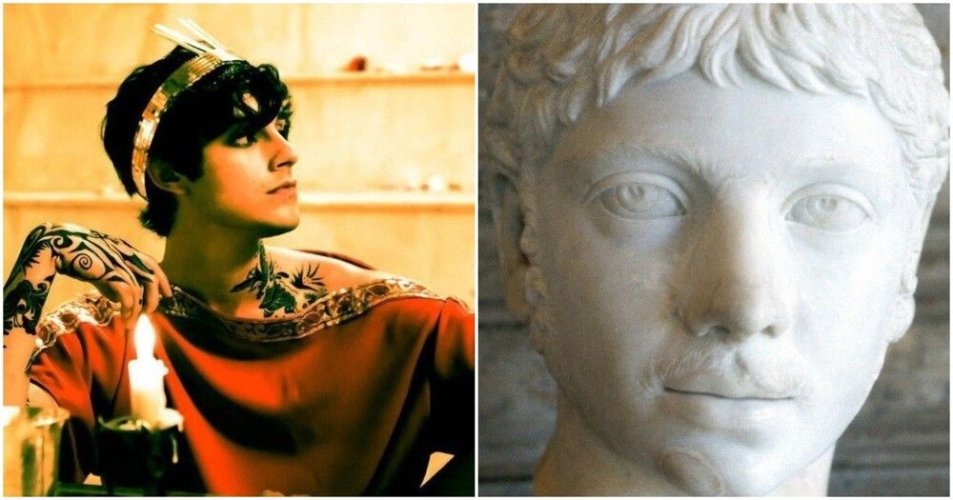
Representatives of the North Hertfordshire Museum in the British city of Hitchin said that from now on, when talking about the Roman emperor Heliogabalus (Marcus Aurelius Antony), who ruled from 218 to 222 AD, they will use the pronoun “she”. The museum, where the coin allegedly belonged to the emperor is kept, explained its decision by relying on the texts of the Roman historian and consul Dio Cassius, who wrote that Heliogabalus demanded that he be addressed in the feminine gender. “Do not call me master, for I am a lady.” , - the emperor once said, according to Cassius.

According to museum governing board member Kate Hoskins, the decision was driven by a modern agenda of sensitivity to the use of pronouns for both past and present people. "We know that Heliogabalus identified as a woman and was clear about which pronouns to use. which shows that pronouns are not some new thing,” Hoskins said.
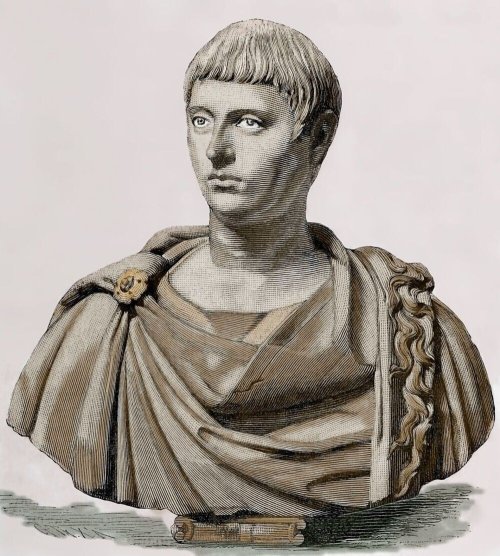
At the same time, some experts believe that Cassius Dio had a personal dislike for Heliogabalus, so he portrayed him in an unsightly light in his notes. “References to makeup, wigs and body hair removal may have been introduced in order to undermine the authority of the unpopular emperor.” , - Shushma Malik, a professor of classical literature at the University of Cambridge, shared her opinion. Let us add that in almost any historical reference about Heliogabalus, which more or less claims to be objective, there is always a footnote that the biography of the emperor is based on dubious and provocative sources.
Representatives of the North Hertfordshire Museum in the British city of Hitchin said that from now on, when talking about the Roman emperor Heliogabalus (Marcus Aurelius Antony), who ruled from 218 to 222 AD, they will use the pronoun “she”. The museum, where the coin allegedly belonged to the emperor is kept, explained its decision by relying on the texts of the Roman historian and consul Dio Cassius, who wrote that Heliogabalus demanded that he be addressed in the feminine gender. “Do not call me master, for I am a lady.” , - the emperor once said, according to Cassius.
According to museum governing board member Kate Hoskins, the decision was driven by a modern agenda of sensitivity to the use of pronouns for both past and present people. "We know that Heliogabalus identified as a woman and was clear about which pronouns to use. which shows that pronouns are not some new thing,” Hoskins said.
At the same time, some experts believe that Cassius Dio had a personal dislike for Heliogabalus, so he portrayed him in an unsightly light in his notes. “References to makeup, wigs and body hair removal may have been introduced in order to undermine the authority of the unpopular emperor.” , - Shushma Malik, a professor of classical literature at the University of Cambridge, shared her opinion. Let us add that in almost any historical reference about Heliogabalus, which more or less claims to be objective, there is always a footnote that the biography of the emperor is based on dubious and provocative sources.