

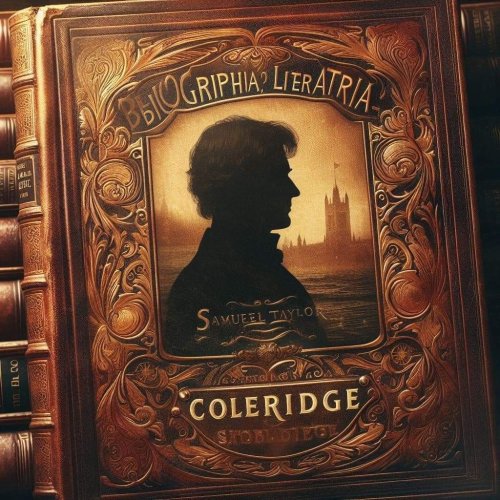
"Biographia Literaria" is a seminal work by Samuel Taylor Coleridge, first published in 1817. It is a unique blend of autobiography, literary criticism, and philosophical reflection, making it a significant contribution to English literature and literary theory. Here's an overview:
1. Autobiographical Elements:
"Biographia Literaria" is structured as a series of autobiographical essays interspersed with critical reflections on literature and philosophy. Coleridge recounts key events and experiences from his life, including his childhood, education, literary influences, and struggles with addiction. These personal anecdotes provide context for his literary and philosophical ideas, offering readers insight into the formation of his intellectual and creative identity.
2. Literary Criticism and Theory:
One of the central themes of "Biographia Literaria" is Coleridge's exploration of the nature and function of poetry. He delves into topics such as the imagination, the creative process, and the relationship between poetry and philosophy. Coleridge also offers critical assessments of various literary figures and works, including Shakespeare, Milton, and Wordsworth. His discussions of the principles of poetic composition and the significance of symbolism and imagery have had a lasting impact on literary criticism.
3. Philosophical Reflections:
Coleridge's philosophical insights permeate "Biographia Literaria," reflecting his engagement with German idealism, particularly the works of Immanuel Kant and Friedrich Schelling. He discusses topics such as the nature of consciousness, the relationship between mind and matter, and the concept of the "esemplastic" imagination—the power of the imagination to unify diverse elements into a coherent whole. Coleridge's philosophical musings enrich his literary analysis and provide a deeper understanding of his poetic vision.
4. Reception and Influence:
"Biographia Literaria" received mixed reviews upon its initial publication, with some critics praising its depth and originality while others found its structure and style perplexing. However, over time, it has come to be regarded as one of Coleridge's most important works, offering valuable insights into his poetic theory and the intellectual currents of the Romantic era. "Biographia Literaria" continues to be studied by scholars and students of literature, philosophy, and intellectual history, cementing its status as a classic of English literary criticism.
In summary, "Biographia Literaria" is a rich and multifaceted work that defies easy categorization. It combines autobiography, literary criticism, and philosophical inquiry to provide a comprehensive exploration of Coleridge's life, thought, and creative process. Through its nuanced analysis and profound insights, "Biographia Literaria" remains a vital text for understanding Coleridge's legacy and the broader intellectual currents of the Romantic era.
┅┄•※✤͜ ⃟✤͜※•┄┅
@Credit to the rightful owner
┅┄•※✤͜ ⃟✤͜※•┄┅