

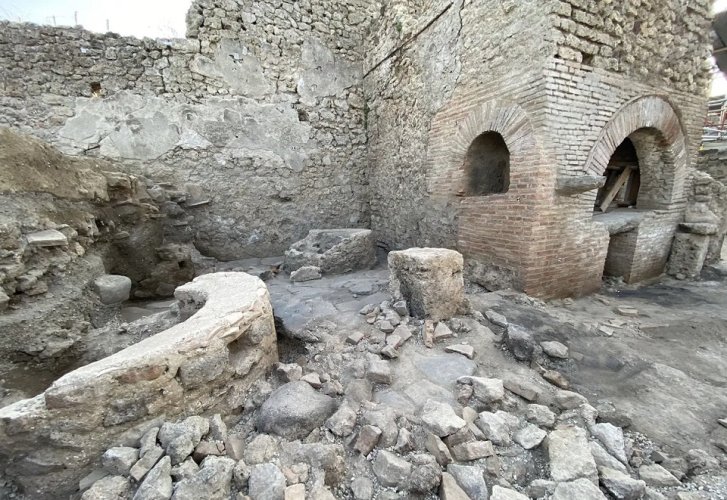
In the ancient Roman city of Pompeii, archaeologists discovered a bakery that served not only to bake bread, but also to hold captive enslaved people and donkeys.
Dubbed the “bakery prison” in the Archaeological Park of Pompeii, this unique structure is a cramped space with no access to the outside world. Here, enslaved people and donkeys, deprived of freedom of movement, were forced to do painstaking work - grinding grain for bread. This painful process could take hours, as evidenced by the millstones discovered here.
The house in which this bakery-prison is located was discovered in the Regio IX area, island 10. This building was divided into two parts: a residential area decorated with frescoes, and an “industrial quarter” where this unique bakery was located.
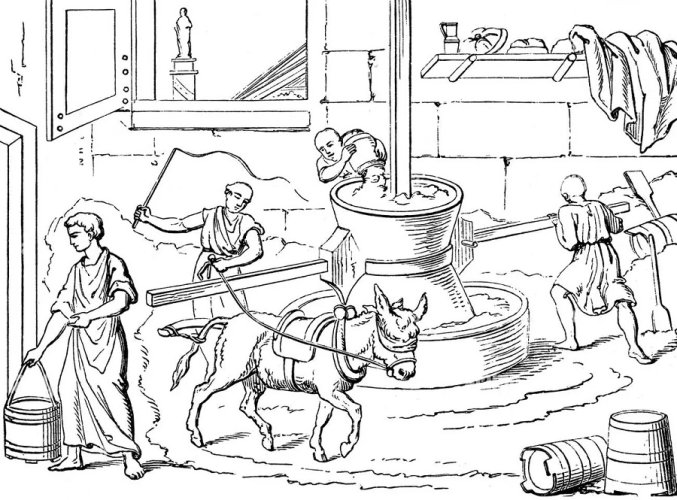
The director of the Archaeological Park of Pompeii, Gabriel Zuchtriegel, notes that this space gives an idea of the plight of people with the status of forced labor. Restricted in their freedom, they were forced to work under brutal violence, as indicated by the bars on the windows.
There is one more detail in the bakery - millstones located in the center of the room. According to archaeological evidence, they were designed to grind grain, with donkeys being part of this grim process. Supposedly, the donkeys were blindfolded so as not to frighten them.
Analysis of wear in the grooves around the millstones confirms the intensive use of the mechanism, thereby highlighting the hard work of those who were here.