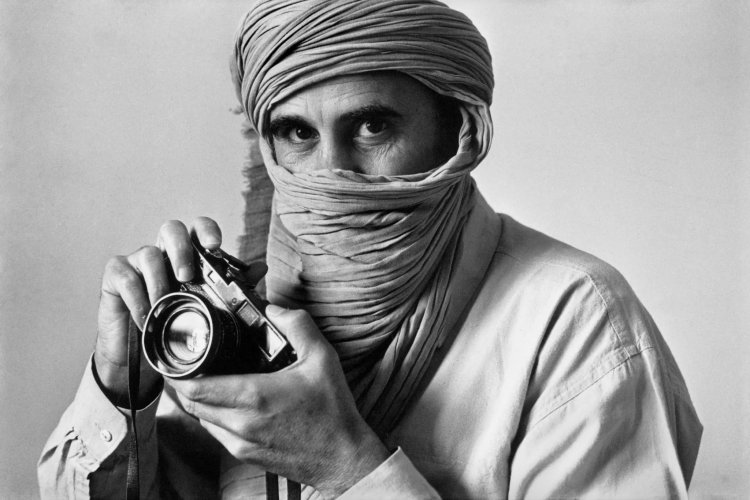
Abbas Attar, better known simply as Abbas, was an acclaimed Iranian photographer known for his poignant and insightful photojournalism work. Born on March 29, 1944, in Iran, Abbas began his photographic career in the 1960s, initially working as a freelance photographer for various publications.
He gained international recognition for his coverage of major conflicts and social issues around the world. Abbas was particularly known for his work in documenting revolutions, wars, and religious conflicts, often spending extended periods in regions of unrest to capture the human stories behind the headlines.
Abbas was associated with the prestigious Magnum Photos agency for several decades, becoming a full member in 1981. His work has been published in numerous books and exhibited in galleries worldwide. He received numerous awards throughout his career, including the Robert Capa Gold Medal.
Abbas passed away on April 25, 2018, leaving behind a legacy of powerful and thought-provoking photography that continues to influence and inspire audiences globally. His work remains highly regarded for its depth, compassion, and unwavering commitment to truth-telling through the lens of his camera.
In a career that spanned six decades, he covered wars and revolutions in Biafra, Bangladesh, Northern Ireland, Vietnam, Bosnia, the Middle East, including the Yom Kippur War of 1973, Chile, Cuba, and South Africa during apartheid, and pursued a lifelong interest in religion and its intersection with society.
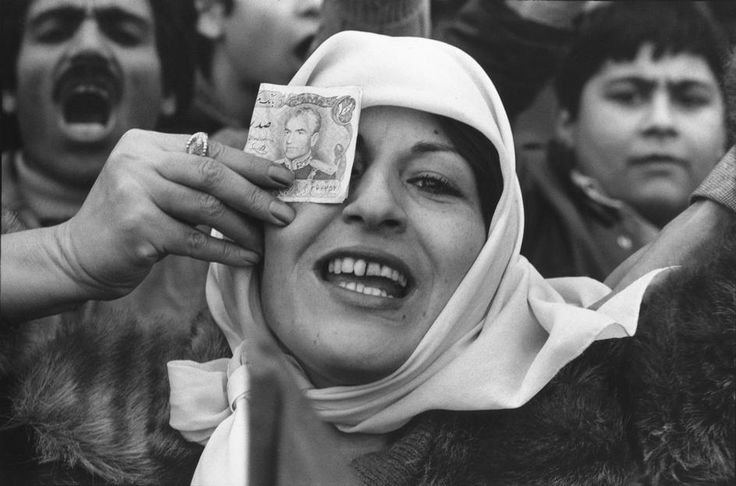
In 1978-1979, Abbas covered the Iranian Revolution. This visionary work recording the rise of religious fundamentalism was published in a seminal book Iran: the Confiscated Revolution. After the revolution, Abbas journeyed through Mexico, while attempting to define his own aesthetics. He photographed the country as a novelist might write about it, which led to the books Return to Oapan and Return to Mexico, Journeys Beyond the Mask.
In the following years, Abbas documented the major religions of the world starting with the resurgence of radical Islam from as early as 1987. This work took on particular significance after 9/11, which spurred him to record its aftermath in a 7-year journey through 16 countries in the Islamic world. After which he proceeded to photograph Christianity, Animism, Buddhism, Hinduism, and ending with Judaism at the time of his death. His prescient work explored how religious fanaticism was replacing political ideologies as a major source of conflict around the world.
With his work published worldwide, Abbas was a veteran member of a renowned photo agency and one of the greatest photographers of all time. His humanistic images live on to inspire future generations to strive for lucidity and honesty so as to gain a better understanding of our world. And the people who live in it.