

Our body often still surprises us. The way it can mobilize in stressful situations, or vice versa, responds to external factors by exacerbating diseases. And there is still so much to learn, thanks to the development of technology.
Some facts have been known to us for quite a long time, but some we learned about relatively recently. But they are all undoubtedly very interesting.

Our body contains about three kilograms of bacteria, which is three times the number of our own cells. They perform a variety of beneficial functions, participate in digestion and protect against harmful organisms.
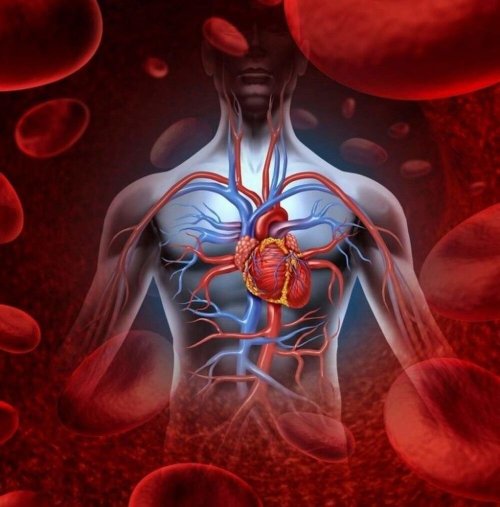
Women's hearts usually beat faster than men's due to the influence of female sex hormones on myocardial cells. But it can also lead to frequent arrhythmias and tachycardia.
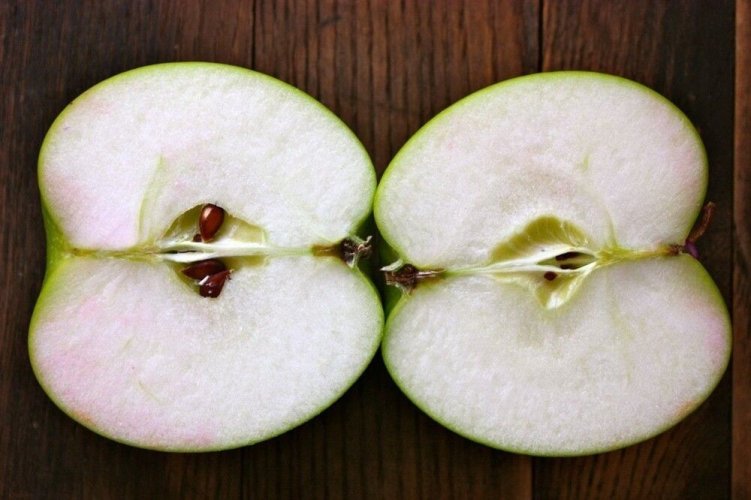
We constantly ingest small doses of cyanide from various sources, such as apples or spinach. In addition, cyanide is produced by our body when we breathe, but in such small quantities that it does not pose any danger.

Although sweat may seem to have an unpleasant odor, it actually has no aroma in itself. It consists mainly of water. But some acids that are secreted by apocrine glands can cause an unpleasant odor when broken down by bacteria on the skin.

Every day, our salivary glands produce from two to six glasses of saliva, which is approximately 0.5-1.5 liters. This helps us digest and protect our mouth from germs. To prevent a person from choking on his own saliva during sleep, the body reduces the amount of saliva it produces. Therefore, people often feel dry mouth in the morning.

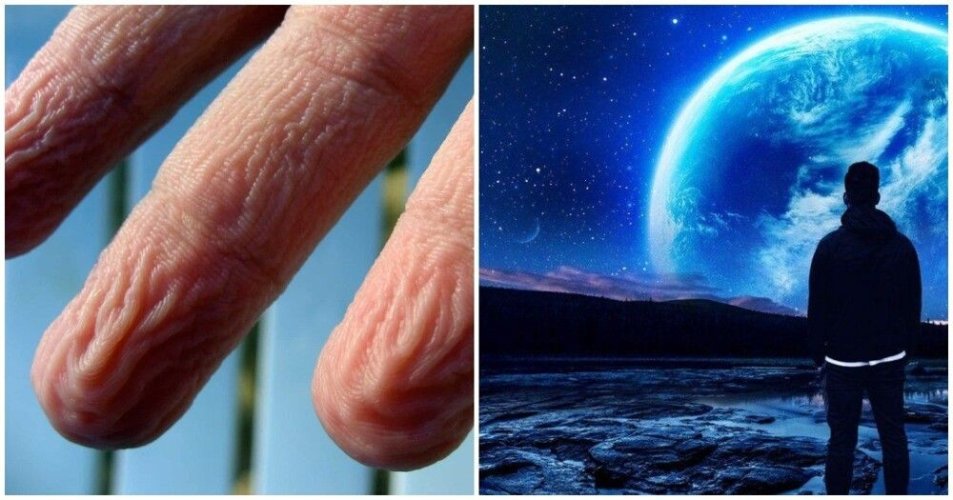
When our fingers are in water for a long time, they become wrinkled to make it easier for us to grip wet objects. This is an evolutionary adaptation and it helps us stay on slippery surfaces or grab onto some objects.

Our body is perfectly programmed to prevent tickling from itself. This is due to the evolutionary mechanism of defense against insects and spiders. If we tickle ourselves, the brain simply ignores these signals, because it understands that tickling does not pose a threat. By the way, if self-tickling makes a person laugh or is unpleasant, then this may be a sign of damage to the cerebellum or schizophrenia.

Interesting fact: the eyes actually see the world upside down, but our brain corrects this. Light is refracted as it passes through the cornea and lens, resulting in an inverted projection of the image on the retina. And the brain turns the picture back, and we see the world as we are used to.

The source of our origin is even more surprising. Our body's basic elements carbon, hydrogen, nitrogen, oxygen, sulfur and phosphorus were formed in stars billions of years ago through the process of nuclear fusion. We truly are part of the cosmic nature. Physicist Lawrence Krauss wrote: “Every atom in your body came from an exploding star. And perhaps the atoms of your left hand belonged to a different star than the one from which the atoms of your right hand came. This is the most poetic thing I know.” about physics: we are all made of stardust. You would not be here if the stars did not explode, because the chemical elements - carbon, nitrogen, oxygen, iron, everything that is needed for the emergence of evolution and for life, were not created in "The beginning of time. They were created in the nuclear furnaces of the stars, and in order to turn into your bodies, the stars had to explode. So forget about Jesus. The stars died for you to be here today."
Some facts have been known to us for quite a long time, but some we learned about relatively recently. But they are all undoubtedly very interesting.
Our body contains about three kilograms of bacteria, which is three times the number of our own cells. They perform a variety of beneficial functions, participate in digestion and protect against harmful organisms.
Women's hearts usually beat faster than men's due to the influence of female sex hormones on myocardial cells. But it can also lead to frequent arrhythmias and tachycardia.
We constantly ingest small doses of cyanide from various sources, such as apples or spinach. In addition, cyanide is produced by our body when we breathe, but in such small quantities that it does not pose any danger.
Although sweat may seem to have an unpleasant odor, it actually has no aroma in itself. It consists mainly of water. But some acids that are secreted by apocrine glands can cause an unpleasant odor when broken down by bacteria on the skin.
Every day, our salivary glands produce from two to six glasses of saliva, which is approximately 0.5-1.5 liters. This helps us digest and protect our mouth from germs. To prevent a person from choking on his own saliva during sleep, the body reduces the amount of saliva it produces. Therefore, people often feel dry mouth in the morning.
When our fingers are in water for a long time, they become wrinkled to make it easier for us to grip wet objects. This is an evolutionary adaptation and it helps us stay on slippery surfaces or grab onto some objects.
Our body is perfectly programmed to prevent tickling from itself. This is due to the evolutionary mechanism of defense against insects and spiders. If we tickle ourselves, the brain simply ignores these signals, because it understands that tickling does not pose a threat. By the way, if self-tickling makes a person laugh or is unpleasant, then this may be a sign of damage to the cerebellum or schizophrenia.
Interesting fact: the eyes actually see the world upside down, but our brain corrects this. Light is refracted as it passes through the cornea and lens, resulting in an inverted projection of the image on the retina. And the brain turns the picture back, and we see the world as we are used to.
The source of our origin is even more surprising. Our body's basic elements carbon, hydrogen, nitrogen, oxygen, sulfur and phosphorus were formed in stars billions of years ago through the process of nuclear fusion. We truly are part of the cosmic nature. Physicist Lawrence Krauss wrote: “Every atom in your body came from an exploding star. And perhaps the atoms of your left hand belonged to a different star than the one from which the atoms of your right hand came. This is the most poetic thing I know.” about physics: we are all made of stardust. You would not be here if the stars did not explode, because the chemical elements - carbon, nitrogen, oxygen, iron, everything that is needed for the emergence of evolution and for life, were not created in "The beginning of time. They were created in the nuclear furnaces of the stars, and in order to turn into your bodies, the stars had to explode. So forget about Jesus. The stars died for you to be here today."